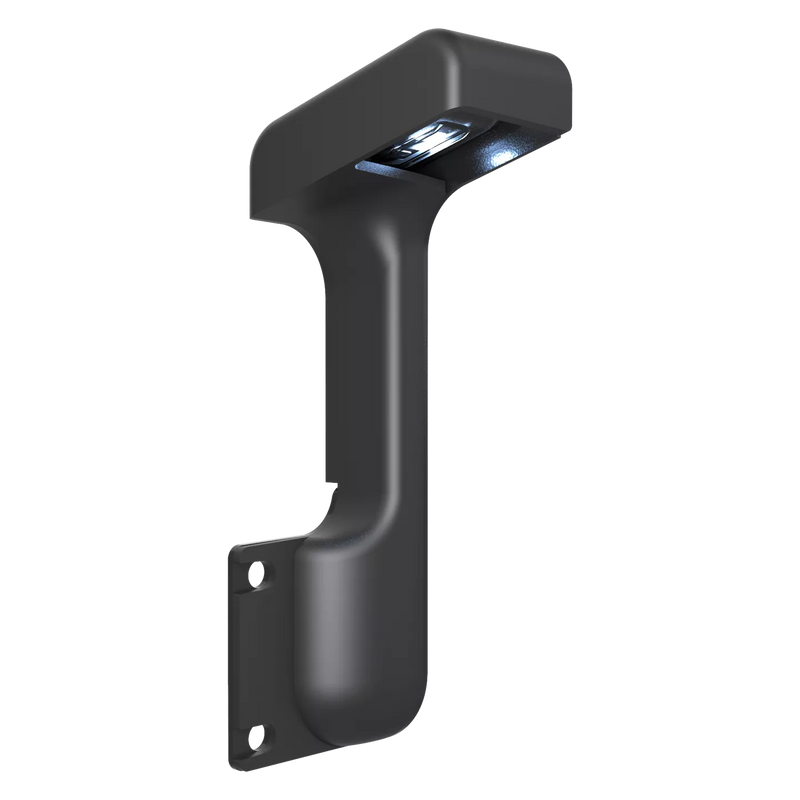
The Pellet Sensor monitors your pellet grill's hopper level, providing alerts when pellets run low to prevent cooking disasters.This simple but essential accessory eliminates the anxiety and inconvenience of running out of fuel mid-cook.
Running out of pellets during cooking creates serious problems. Temperature drops immediately as the fire dies, disrupting carefully maintained cooking temperatures. Long cooks like brisket or pork shoulder require consistent heat for 8-16 hours—running out of pellets halfway through ruins hours of work and expensive meat. Even if you catch it quickly and refill, the temperature disruption affects results. The pellet sensor prevents these disasters by alerting you before the hopper empties, giving you time to refill without interrupting the cook.
The sensor typically works by detecting pellet level through weight, optical sensing, or mechanical contact. When pellets drop below a threshold—usually enough for 30-60 minutes of additional cooking—the sensor triggers an alert through the grill's control system, a connected app, or a standalone alarm. This warning provides ample time to add pellets without rushing or risking temperature loss. The peace of mind is substantial, especially during overnight cooks when you might be sleeping or long cooks when you're away from the grill doing other tasks.
Installation varies by model but generally involves mounting the sensor in the hopper where it can detect pellet levels. Some sensors integrate with the grill's existing control system, while others operate independently. Follow the manufacturer's installation instructions carefully to ensure proper function. Once installed, the sensor works automatically without requiring constant attention or manual checks.
The value becomes especially clear during long cooks. A 12-hour brisket cook might consume 15-20 pounds of pellets depending on weather, temperature settings, and grill efficiency. Rather than checking the hopper every hour or risking running out, the sensor monitors automatically. You can focus on other food prep, entertain guests, or sleep during overnight cooks knowing you'll receive timely alerts if refilling becomes necessary.
The sensor also helps with pellet inventory management. By tracking consumption patterns over multiple cooks, you learn how much fuel different cooking styles and durations require. This knowledge helps you maintain adequate pellet supply and avoid last-minute emergency purchases. For Edmonton pellet grillers who cook year-round, understanding consumption patterns in different weather conditions is particularly valuable since cold weather increases pellet usage.
Beyond preventing disasters, the sensor improves overall cooking efficiency. You can start long cooks with confidence rather than over-filling the hopper "just in case" which can lead to pellet degradation from moisture exposure over extended periods. You can also time refills optimally rather than interrupting the cook unnecessarily for premature refills.
Compatibility is crucial when purchasing a pellet sensor. Verify the sensor works with your specific grill model before buying. Some sensors are brand-specific, designed to integrate seamlessly with particular manufacturers' control systems. Others are universal designs that work across brands but may require additional setup. Check specifications carefully.
For serious pellet grillers who do extended cooks, compete in BBQ competitions, or simply want peace of mind, a pellet sensor is valuable insurance. The cost is minimal compared to the meat, time, and frustration wasted by running out of pellets mid-cook.
KEY FEATURES:
- Monitors pellet hopper level automatically
- Alerts before pellets run out
- Prevents cooking disasters and wasted meat
- Essential for long overnight cooks
- Provides 30-60 minute warning typically
- Helps track pellet consumption patterns
- Improves cooking efficiency and confidence
- Check compatibility with your grill model